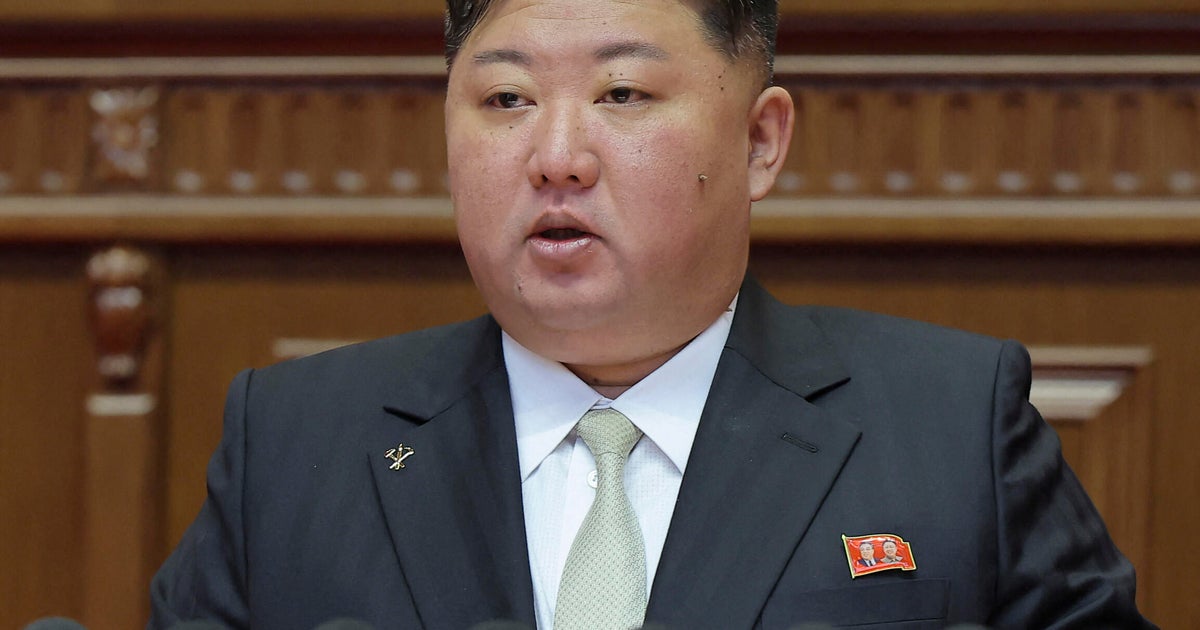
South Korean President Lee Jae Myung attends a meeting with his senior secretaries at the presidential office Cheong Wa Dae in Seoul, South Korea, 06 August 2026. Photo by YONHAP / EPA
Aug. 8 (Asia Today) — South Korean President Lee Jae Myung said Saturday he will personally review 22 proposed policy changes involving loans, housing applications and taxes as part of an effort to eliminate disadvantages that can arise when couples marry.
The measures target what has become known in South Korea as the “marriage penalty,” in which combining a couple’s income or changing their household status after marriage can reduce eligibility for certain housing, lending or tax benefits.
“Young people should never hesitate to marry because of government policies,” Lee wrote on X, formerly Twitter. “The government will fulfill its responsibility so that marriage can be a hopeful new beginning rather than a burden.”
Lee said he had ordered officials to examine institutional disadvantages that can result from marriage and report their findings.
The review initially identified 22 measures directly affecting household finances and asset building, he said.
“I intend to carefully examine each one to determine whether improvements are needed and whether those changes can provide fair and meaningful help to everyone,” Lee said.
He also invited the public to identify other regulations they believe are unreasonable.
“If there are other systems you think are unfair, I hope you will feel free to tell us,” he said.
Government-backed housing loans under review
Among the proposals are changes to income eligibility requirements for several government-backed housing loan programs.
Officials will examine whether to relax income limits for Didimdol home-purchase loans, Beotimmok rental-deposit loans and Bogeumjari home loans.
The review also includes easing income requirements for housing loans available to victims of rental-deposit fraud and expanding eligibility for loans available to first-time home buyers.
The government will also consider relaxing childbirth and adoption requirements for preferential loans for families with newborns and raising income limits for dual-income households.
Newlywed housing rules could change
Housing allocation rules are another major part of the review.
The government will examine the way the length of a marriage is reflected in priority scoring for housing reserved for newlyweds as well as broader eligibility requirements.
Officials will also consider expanding access to housing allocations for couples who are engaged but not yet married.
Other proposals include giving families additional opportunities to apply for specially allocated housing after each birth and allowing some married couples who own two small homes to apply for housing programs from which they are currently restricted.
Tax benefits also targeted
The review includes proposals to expand acquisition-tax reductions for first-time home buyers and families purchasing homes after having a child.
Officials will also consider broadening exemptions from higher acquisition taxes for married couples who become owners of two homes after marriage as well as households that temporarily own two homes while moving.
Other measures include expanding income-tax deductions for mortgage interest payments and correcting tax-credit rules that may place married couples at a disadvantage.
Welfare and housing assistance included
The government will also examine whether marriage causes recipients to lose eligibility for certain welfare and housing assistance programs.
The proposals include allowing some recipients to retain eligibility for basic livelihood assistance and local government rent-support programs for young people after marriage.
The review also calls for expanding housing allowances for married couples in which both spouses serve in the military.
Lee’s review reflects a broader effort to ensure that government policies intended to support young adults do not create financial incentives to delay marriage.
The president said the government should ensure that getting married does not become an obstacle to housing security or building household assets.
— Reported by Asia Today; translated by UPI
© Asia Today. Unauthorized reproduction or redistribution prohibited.
Original Korean report: https://www.asiatoday.co.kr/kn/view.php?key=20260808010002532