Stephen King’s TV adaptations have rarely achieved the same iconic status as King’s best movies. On the TV side, the 1990 It miniseries starring Tim Curry made Pennywise a generational villain. The Stand’s 1994 post-apocalyptic horror miniseries was a rare King TV adaptation to garner significant critical acclaim, with six Emmy nominations and two wins. Under the Dome broke a summer TV record when it premiered in 2013.
The author is synonymous with horror, but many of King’s best movie adaptations are not horror films, such as Stand by Me or The Shawshank Redemption. In fact, some of his most compelling stories venture into science fiction.
J.J. Abrams and James Franco independently became interested in adapting King’s 2011 sci-fi novel before their efforts eventually converged for Hulu’s eight-episode limited series, 11.22.63. The show uses time travel to turn one of America’s most famous historical events — the assassination of JFK — into a high-concept thriller.
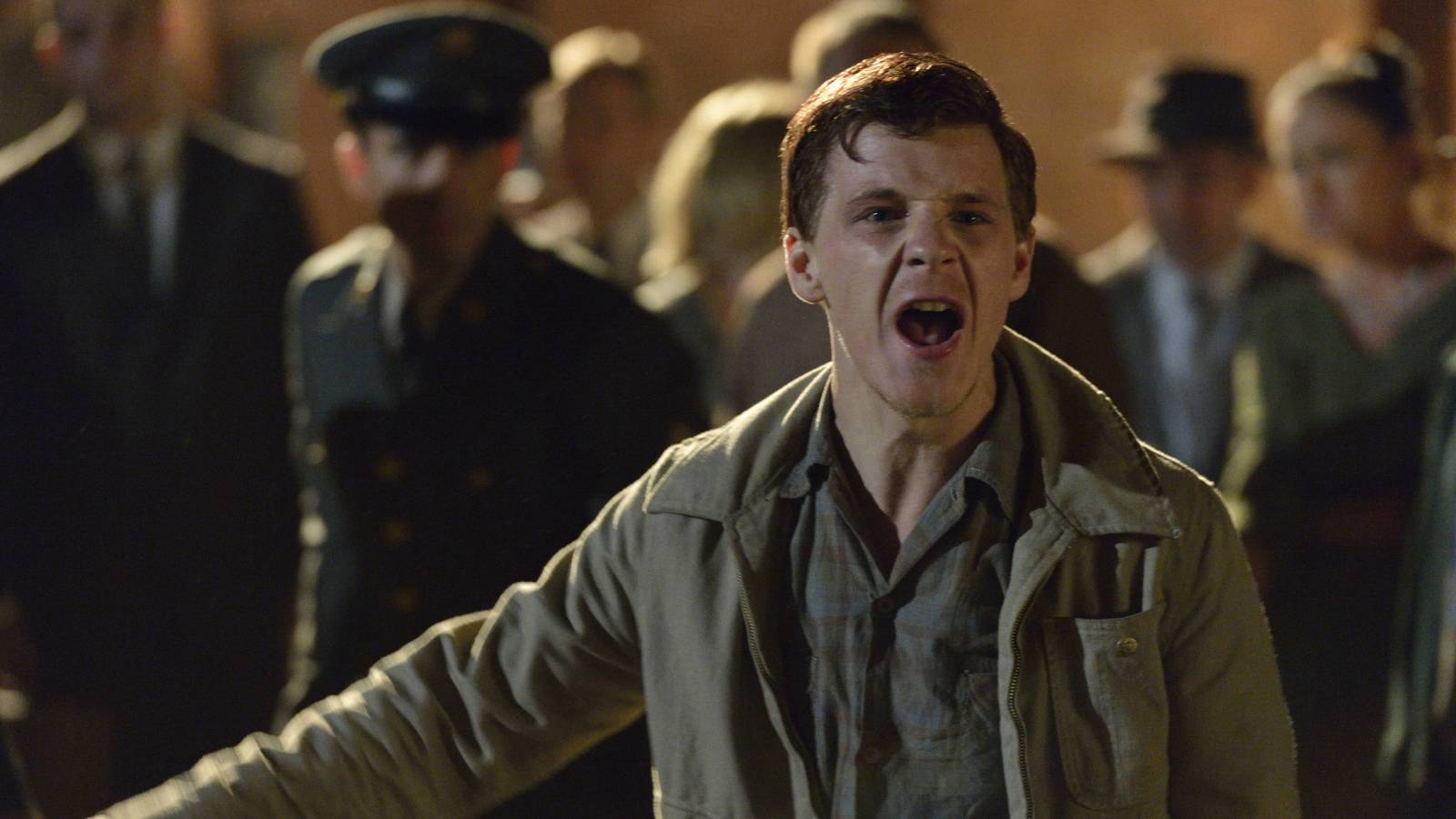
In 11.22.63, Jake Epping (Franco) travels via time slip from 2016 to 1960, charged with changing the course of American history. However, the past actively resists being changed, turning Jake’s years-long mission into a mix of conspiracy thriller, science fiction, and unexpected romance.
11.22.63 Treats Time Travel Like A Video Game

The time slip in 11.22.63 is a simple, brilliant, and intriguingly unexplained device. Take just the right step inside Al Templeton’s diner, and Jake finds himself at the exact same moment in 1960. No matter how long he stays in the past, only two minutes pass in the present. He can return whenever he wants, but going through the portal again resets everything he changed during his previous trip. That means 11.22.63 uses time travel almost like a video game.
Jake has a fixed starting point, a mission to complete, and effectively unlimited opportunities to reset his progress and try again, even if that’s a device used more often in the book than the TV show. He carries the knowledge he gained on one attempt into the next, even though the timeline itself has been restored.
The series establishes the consequences of those rules before Jake ever gets near Lee Harvey Oswald. He attempts to prevent a smaller-scale tragedy from occurring, using the opportunity to test whether changing the past can actually improve the future.
Jake quickly discovers that knowing what is going to happen does not make stopping it easy. The past actively pushes back against attempts to change it, creating increasingly dangerous obstacles as he gets closer to disrupting events. More importantly, 11.22.63 rejects the assumption that changing a terrible event necessarily creates a better outcome. Jake may be able to reload the past armed with information from his previous attempt, but unlike a video game, there isn’t necessarily a way to win.
The TV adaptation also smartly streamlines King’s extensive time-travel mythology to keep the focus on Jake’s emotional journey. Elements like the mysterious Yellow Card Man are simplified, leaving many of the time slip’s mechanics unexplained rather than getting bogged down in world-building.
The series also greatly expands Bill Turcotte’s role, turning him into Jake’s partner as he investigates Lee Harvey Oswald. Giving Jake someone who knows his secret allows the show to externalize his thoughts and fears through conversation rather than relying on inner monologue narration. These adaptive changes to 11.22.63 sacrifice some of the novel’s complexity, but they make the TV show better suited to an eight-episode series, where the increasingly personal consequences of Jake’s mission matter more than explaining exactly how time travel works.
11.22.63’s Reset Button Makes Its Ending Even More Devastating

The reset rule initially seems like Jake’s greatest advantage in 11.22.63. However, that escape hatch becomes increasingly painful as Jake stops treating the past as a temporary destination and begins building a real life there. Most importantly, Jake falls in love.
What begins as a mission to prevent JFK’s assassination gradually becomes a choice between Jake’s responsibility to history and the life he never expected to find for himself. Resetting the timeline means erasing relationships and experiences that are completely real to Jake, even if nobody else will remember them.
That gives 11.22.63 an emotional consequence that many time-travel stories avoid. The ability to undo tragedy doesn’t necessarily provide Jake with an easy way to reach a happy ending, because every reset creates its own loss. By the end of 11.22.63, succeeding can carry just as devastating a price as failing.
11.22.63 was originally a Hulu series, but it is now available to stream on Netflix.
11.22.63 manages to arrive at a conclusion that is simultaneously happy and heartbreaking. The JFK assassination may provide the series with its high-concept plot, but Jake’s romance ultimately gives it its emotional core, and he must sacrifice his own happiness for the greater good. It’s a reminder that King’s best science fiction is ultimately less interested in its high-concept rules than in the human consequences of breaking them.

- Release Date
-
2016 – 2016-00-00
- Directors
-
Kevin Macdonald, James Franco, Frederick E.O. Toye, James Strong, John David Coles
-

-

Sarah Gadon
Sadie Dunhill