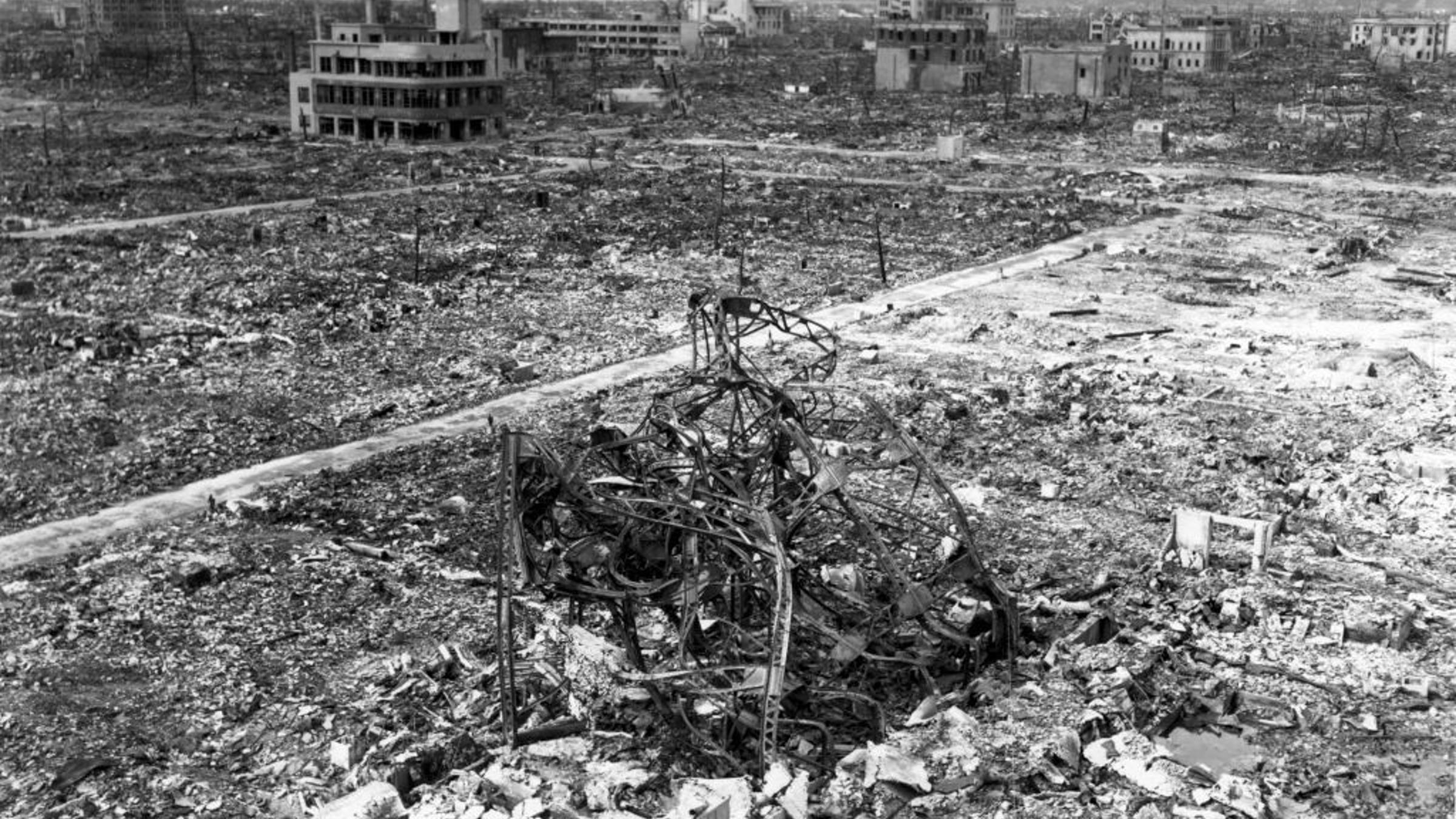
But contrary to popular understanding among many today, Hiroshima did not convince Japan to surrender. In fact, Japan’s Supreme War Council—the six men responsible for directing the war—did not even meet in the days immediately following the attack. The military leadership remained committed to fighting on despite the destruction of an entire city.
Many were convinced that Hiroshima represented a terrible but isolated event. Atomic weapons were new and extraordinarily expensive, and they surmised that there was no way the Americans had more than one—or at most, a few—such bombs.
If America had only limited bombs, Japanese leaders concluded, they could still hope to force a costly invasion and perhaps negotiate better terms.
Nagasaki shattered that illusion.
Just 75 hours after Hiroshima, a second atomic bomb annihilated another Japanese city, killing 73,000 people. Two cities had vanished in just three days. From Tokyo’s perspective, there was no way of knowing whether the United States possessed two bombs—or twenty. Even more terrifying, America now might never even need to invade Japan. It could simply destroy one city after another until nothing remained.