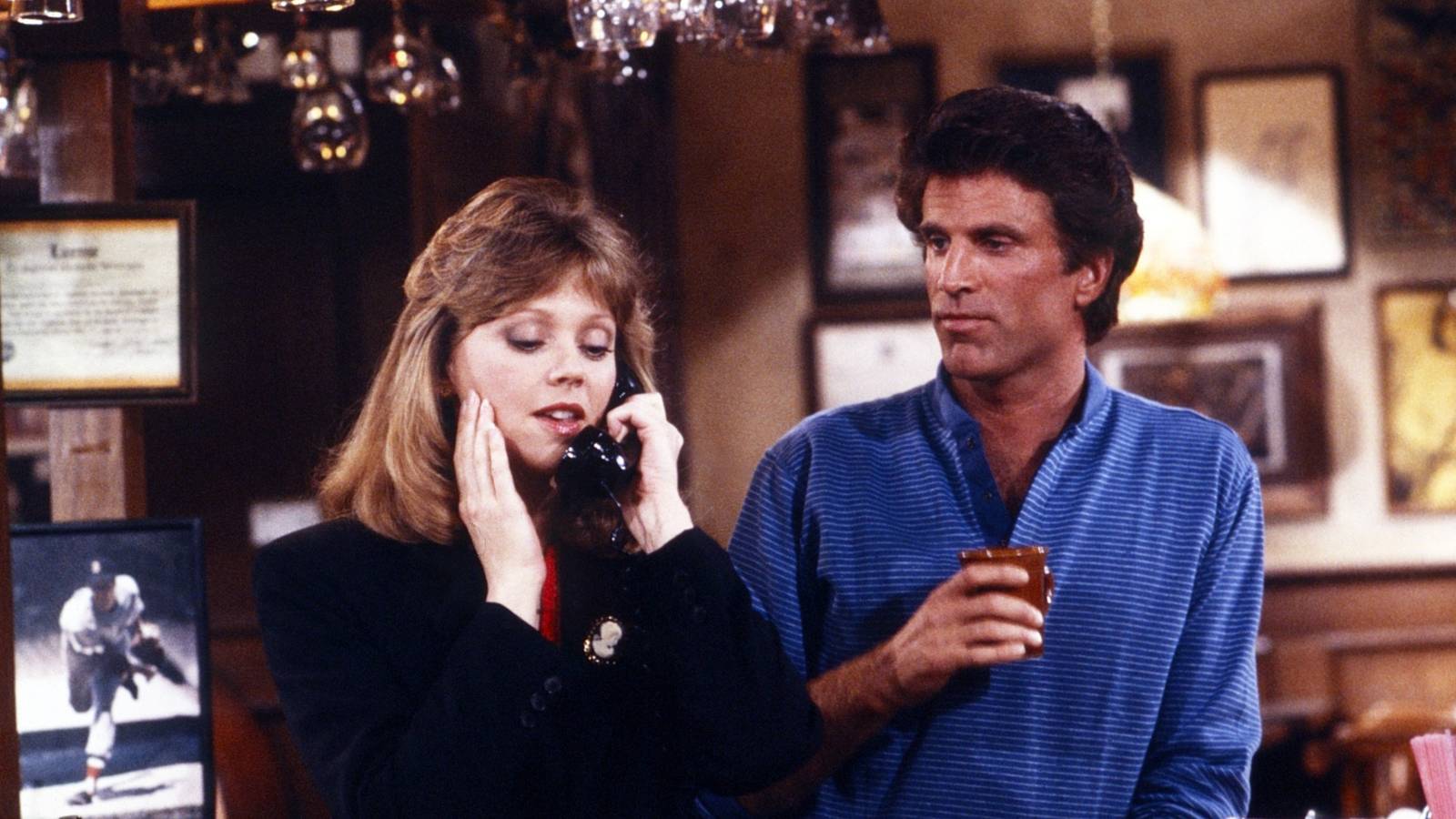
The red carpet is synonymous with fame, luxury, glitz, glamor, respect, and fashion in the collective consciousness. And, if we’re being completely honest, some people dream of someday walking alongside fabulous stars, surrounded by hundreds of adoring fans and bedazzled photographers. Or is that just us?
Today, our team at Bored Panda wants to show you how much some beloved Hollywood actors have changed over the years. To that end, we’re showcasing their very first and most recent red carpet appearances. Scroll down to take a trip through the decades.
Bored Panda got in touch with entertainment, pop culture, and lifestyle expert Mike Sington for his thoughts on how stars can make a powerful and positive impact on the red carpet while also being their authentic selves. Scroll down for our interview with Hollywood’s Ultimate Insider!
Click here & follow us for more lists, facts, and stories.
“At the core of an actor’s powerful red carpet impact lies a carefully curated blend of authenticity and spectacle. It’s about more than just wearing a designer gown or a tailored suit; it’s about projecting a sense of self-assuredness and presence,” Sington explained to Bored Panda.
According to him, you can accomplish these things by making strategic fashion choices and fostering a genuine connection with other people. “Actors use clothing to tell a story, reflecting their personality, the film they’re promoting, or a social message. These choices, when executed with confidence, create memorable moments,” he said.
“Beyond the fashion, actors who engage with the media and fans with genuine warmth and charisma leave a lasting impression. This connection fosters a sense of relatability, even within the glamorous setting. Ultimately, a powerful red carpet appearance is a performance in itself, where an actor’s ability to balance vulnerability and star power determines their impact.”
Sington warned that red carpets can be chaotic, so it’s vital to “take deep breaths and try to stay relaxed.” You also want to maintain a professional demeanor while also having fun. “Be respectful of everyone, from the crew to the other celebrities,” he advised, adding that you should also “enjoy the experience! This is a special moment in your career.”
Meanwhile, Bored Panda was curious about how rising stars connect with the press, fans, and other actors in an authentic way while walking the red carpet. Sington was kind enough to offer some advice for up-and-coming actors to navigate the “whirlwind experience” that red carpet debuts are with grace and authenticity.
First of all, preparing for the event is key. Up-and-coming actors should do a bit of research about the event, its purpose, as well as the people involved which should help them engage in meaningful conversations. What’s more, they should plan their attire based on the dress code.
They can then prepare answers to some common questions they might get, for example, “What are you working on?” or “What brings you here tonight?” It also helps to have a few key points in mind that you’d like to convey about yourself and your work.
Furthermore, stars might want to consider practicing posing in front of a mirror to find their best angles while also remembering to relax and smile. Naturally, nobody should forget about practical things like how they’ll get to and from the venue, as well as having a backup in case their wardrobe malfunctions.
Hollywood’s Ultimate Insider told Bored Panda that up-and-coming actors shouldn’t try to be someone they’re not because other people can sense their insincerity. Instead, they should focus on being authentic and letting their personality shine through.
He advised stars to make eye contact with reporters and photographers, speak clearly and concisely, and listen carefully to the questions they get so they can offer thoughtful answers. Meanwhile, actors can connect with their fans by acknowledging them and showing their appreciation for their support. Taking a moment for a quick picture or short interaction can be wonderful. But even if you don’t have time for that, even a simple smile or wave “can go a long way.”
When interacting with other stars, actors should be respectful and approachable. They should remember that networking is about building relationships. Introducing themselves and engaging in genuine conversation are ways to start building those relationships.
Meanwhile, Sington said that stars should be mindful of how their red carpet appearance is portrayed on social media. On the other hand, these events offer an opportunity to share behind-the-scenes content and connect with their audience.
Traditionally, red carpets were meant to mark the route taken by celebrities and important public figures during formal events and ceremonial occasions. These days, you’re most likely to see the red carpet being rolled out during official visits by heads of state or at the Academy Awards (the Oscars), the Cannes Film Festival, major movie premieres, and elsewhere.
The history of the red carpet is pretty ancient. CNN and the BBC report that the first written mention of the red carpet occurred in 458 BC in Greek playwright Aeschylus’ Agamemnon.
“A path of dark red tapestries was rolled out in ancient Greece, in the Aeschylus play Agamemnon, when the King’s vengeful wife Clytemnestra prepares for the triumphant welcome home of her husband from the Trojan War. Even the King hesitates to walk on the ‘crimson path’ laid before him, because he is ‘a mortal, a man’ and not a god,” the BBC explains.
Fast-forwarding into the future, Amy Henderson, historian emeritus at the National Portrait Gallery, Washington, told CNN that in 1902, New York “used plush crimson carpets to direct people boarding the trains.”
Back then, this was used for first-class ticket holders to make them feel special. And eventually, the red carpet became linked to the idea of glamor and social status.
The first time the red carpet was rolled out in Hollywood was on October 18, 1922, by theater magnate Sid Grauman, who owned the Egyptian Theatre. Grauman created the first Hollywood premiere (the movie Robin Hood) and wanted to impress everyone.
Among the stars who walked the red carpet that day were Douglas Fairbanks and Wallace Beery.
From then on, the red carpet was associated with glamor and was used at premieres and important events. “For the actors, it was all about you, and that of course is what Hollywood loves,” historian Henderson said.
However, it was only in 1961 that the Academy of Motion Picture Arts and Sciences added a red carpet for the Oscars. “Of course, it was black-and-white… (but) the process of the runway culture was more important than seeing it in red to begin with,” Henderson said, explaining that the spectacle was a huge success.
Five years later, the Oscars were broadcast in color. “Smart advertising executives and Madison Avenue executives thought ‘Oh, what a good idea. We can have our own red carpet.’”
The red carpet gives celebrities—up-and-coming and veteran alike—the chance to make a positive impact, leave a splash in the media, and remain in the spotlight. Everything that you do matters, from your body language, smile, and how you walk to what you say, how you communicate with the fans, press, and other stars, as well as what you wear.
On the plus side, if you come off as authentic and charming, you can make your fans adore you even more. Moreover, leaving a good impression on other major stars, directors, and producers can mean lots of interesting projects to work on in the future. After all, it’s a win-win for everyone involved if you give a major role to an actor who is magnetic, charismatic, and stunned the entire world while walking the red carpet.
That’s not to say that there aren’t any potential pitfalls of public appearances and super high-profile events The downside is that just like you can leave a positive impact on everyone, any slipups that you make are also going to be analyzed and dissected by the press and fans worldwide.
Any drama, fashion blunders, rudeness, or bizarre comments can harm your reputation, as your every action is put under the microscope. So, it really does matter how you compose yourself.
If you do end up embarrassing yourself on the red carpet, probably the best thing that you can do is embrace the awkwardness, admit your mistake, and—if you can—laugh it off. You can turn the uncomfortable situation into an opportunity to connect with other stars and your fans. After all, you’ll seem more relatable if you admit that you’re far from ‘perfect’ and occasionally mess up.
Ironically, embracing mild embarrassment can boost your reputation. On the flip side, pretending that you haven’t done anything wrong can push people away because you might seem fake, arrogant, or entitled. If you seem like you’re not a team player, can’t interact well with the public, and get defensive over small blunders, it might end up harming your future career prospects. In other words, authenticity is what’s valuable, not a pristine image, no matter how alluring the latter might seem.
You might also like: Hollywood careers: 29 actors who squandered their potential