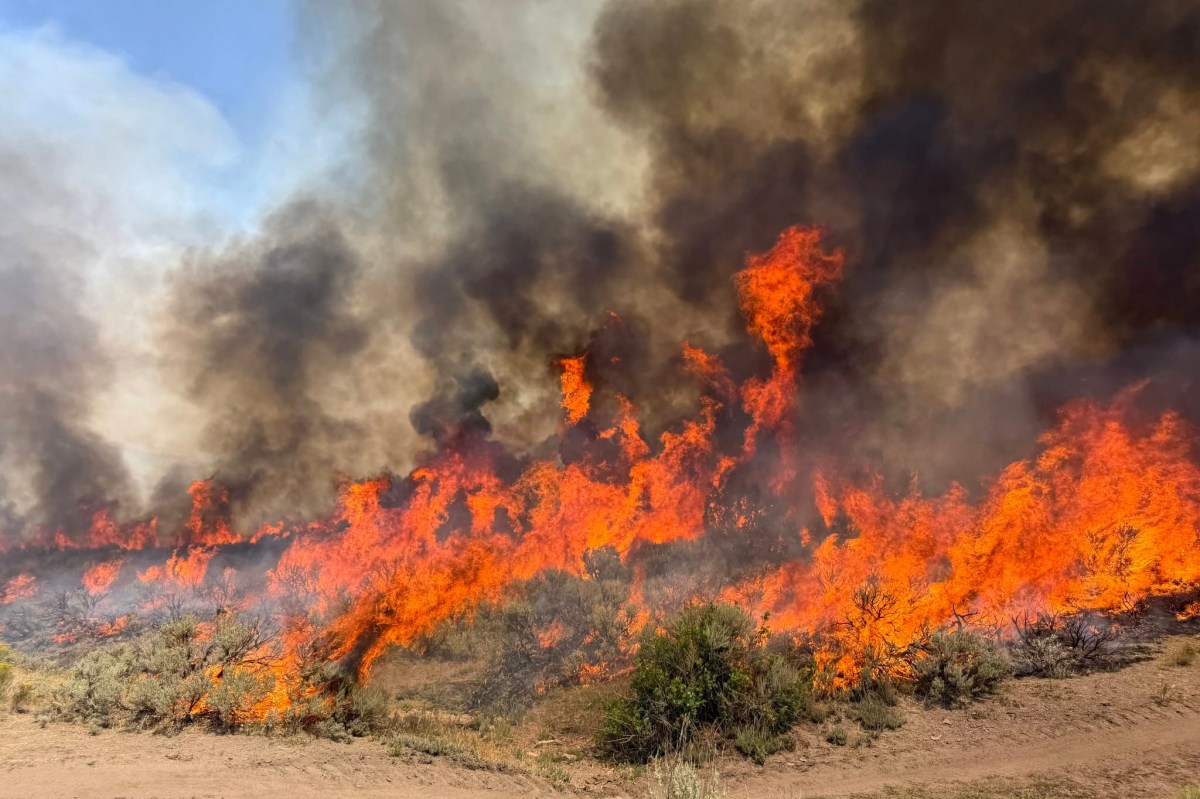
A fire in central Utah has burned more than 114,000 acres as of Saturday afternoon, becoming the state’s largest wildfire this year. Speaking at a fire briefing earlier this week, Utah Governor Spencer Cox noted that the blaze is the third to reach roughly 100,000 acres this year, “which is not a record that we’re proud of, but we’re grateful for all of the work that’s happening here.”
In addition to its size, the dangerous fire conditions have prevented search-and-rescue crews from reaching the site of a crashed firefighting helicopter carrying two crew members.
The fire comes as crews across the West continue to battle a series of large wildfires amid hot, dry conditions. Wildfires are a recurring threat during the region’s summer fire season, with officials warning that low humidity, high temperatures and strong winds can fuel rapid fire growth and complicate firefighting efforts.
Newsweek has reached out by email to the state’s fire management office and the Widemouth 2 Fire information team for comment.
What to Know About the Widemouth 2 Fire?
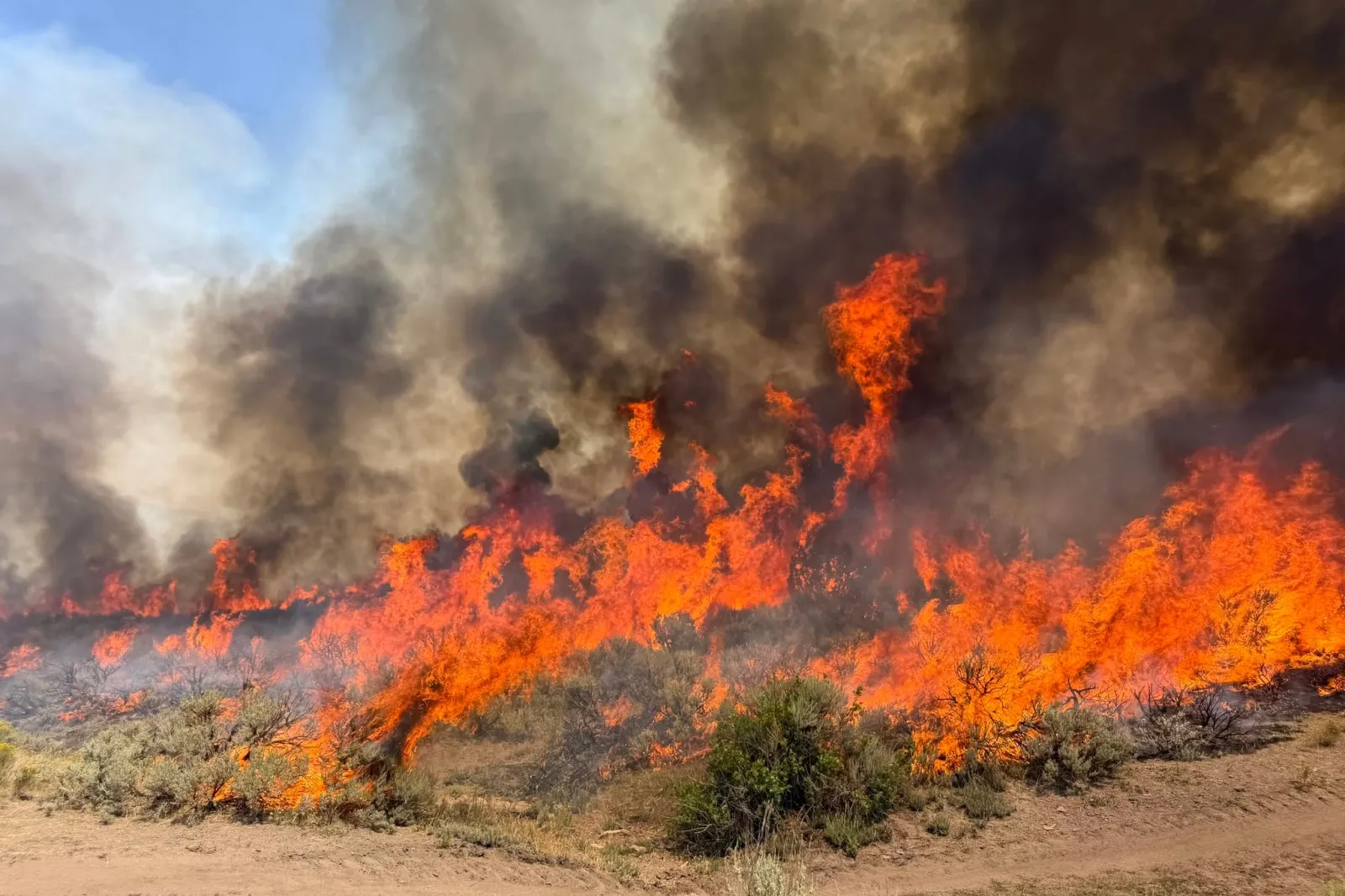
The Widemouth 2 Fire ignited from lightning on July 27 and is burning in central Utah’s Fishlake National Forest. The state has deployed over 600 people to fight the fire, with nine crews, seven helicopters, 23 engines, and nine dozers and water tenders.
At least six structures have been lost to the blaze, which is about 24 percent contained, as of Saturday.
“Erratic winds, dry fuels, and hot temperatures continue to prevail,” unified command overseeing the response, which includes the U.S. Forest Service and Utah Forestry, Fire, and State lands, among other agencies, said in a Saturday morning update.
The blaze has now surpassed the Babylon Fire in acres, which was ignited late June and burned over 107,000 acres and was the state’s largest this year at the time.
What Happened in the Helicopter Crash
A firefighting helicopter carrying a pilot and crew member crashed near the Widemouth 2 Fire at about 10:40 a.m. Friday while supporting wildfire suppression efforts, according to fire officials. The crash ignited a small fire itself, and dangerous conditions prevented emergency responders from safely reaching the scene.
“Access to the scene was compromised by the emergent fire. Without a safety zone, the Incident Management Team determined not to place lives at risk until the area is deemed safe,” the U.S. Forest Service said in a press release. “The site is now inside the fire perimeter itself, with the growth that occurred yesterday on the fire.”
The Saturday press release stated that officials had not been able to confirm the status of the two people aboard the aircraft because the crash site remained inaccessible. However, the National Interagency Fire Center had said the two had been killed in the crash.
“We ask that the public refrain from spreading rumors or guessing about this incident. There have already been many false reports and rumors, and the victims deserve the highest level of respect and avoidance of speculation,” the U.S. Forest Service said in a Saturday press release.
The National Transportation Safety Board (NTSB) and Federal Aviation Administration (FAA) are investigating the crash.
On Saturday, the Fishlake National Forest branch of the U.S. Forest Service wrote in a Facebook post, “The Widemouth 2 Fire morning briefing began today with a few moments of silence in honor of those aboard an incident helicopter that went down yesterday. The accident site remains inaccessible due to fire activity. Thoughts are with their families and our fire family as we continue the mission.”
Cox paid tribute to the crash victims in a Friday X post, writing, “Wildland firefighting is among the most dangerous jobs in the world. Today is a painful reminder of the extraordinary risks these brave men and women accept to protect us.”
Contact Newsweek editors for this story: Steve Mollman and Anthony Murray.