There’s no doubt that online forums have time and again guided people through tricky situations and toxic relationships. However, some stories remind us that online advice is not always reliable.
Recently, a man revealed on Reddit that he had found an extremely expensive laptop hidden deep in his fiancée’s closet. When he went to question her about it, the laptop mysteriously disappeared, and his fiancée claimed she had no knowledge of its existence.
The commenters immediately came up with wild theories about the fiancée. Some accused her of cheating, while others said she must be leading a secret online double life.
However, the man decided to do a little digging of his own. It wasn’t long before he uncovered the real mystery behind the missing laptop, and found the actual culprit.
A man said he found an expensive laptop hidden in his fiancée’s closet

Image credits: Curated Lifestyle / Unsplash (not the actual photo)
When he confronted her, she denied having any knowledge of the laptop
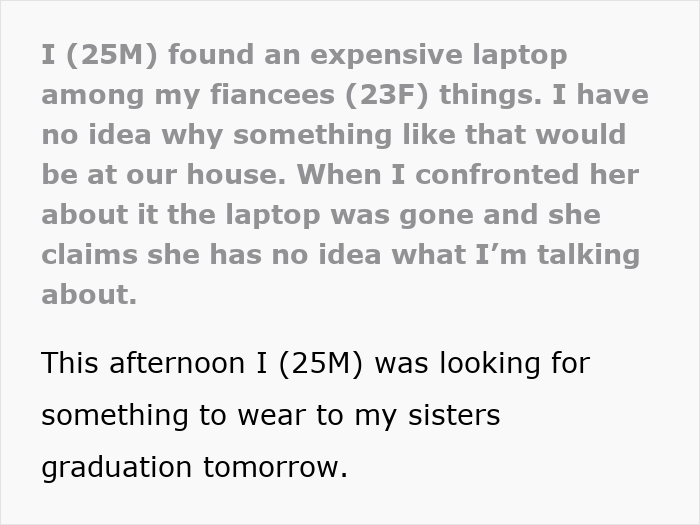
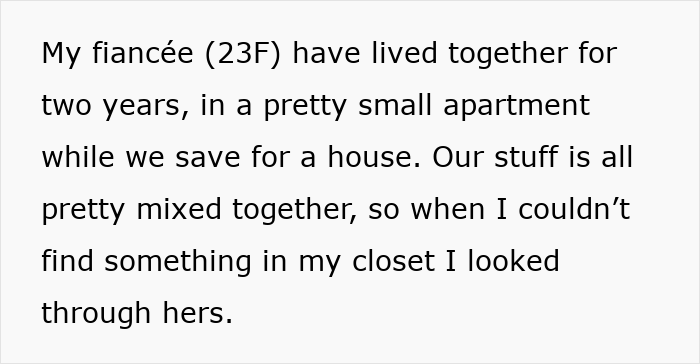
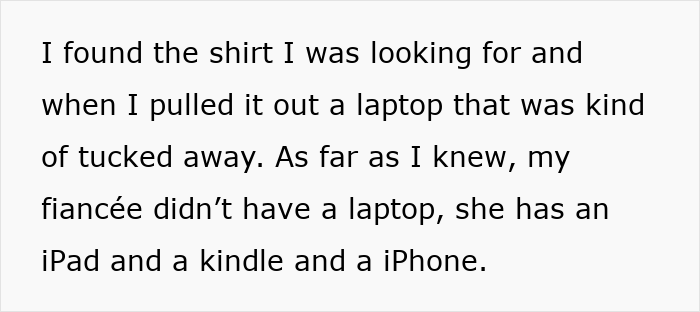
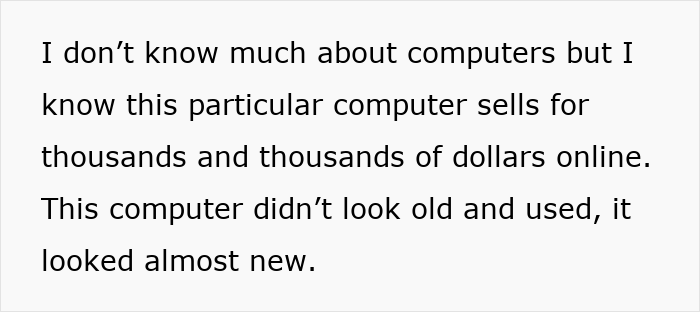
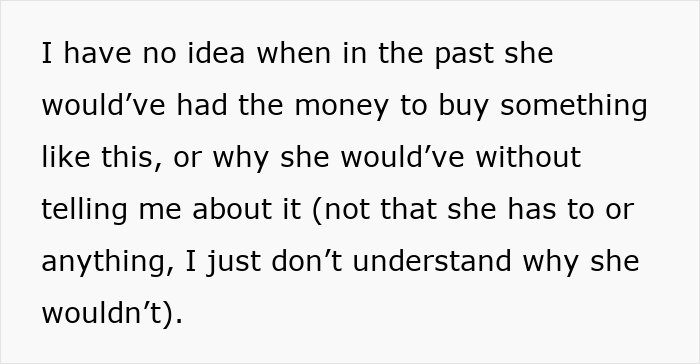
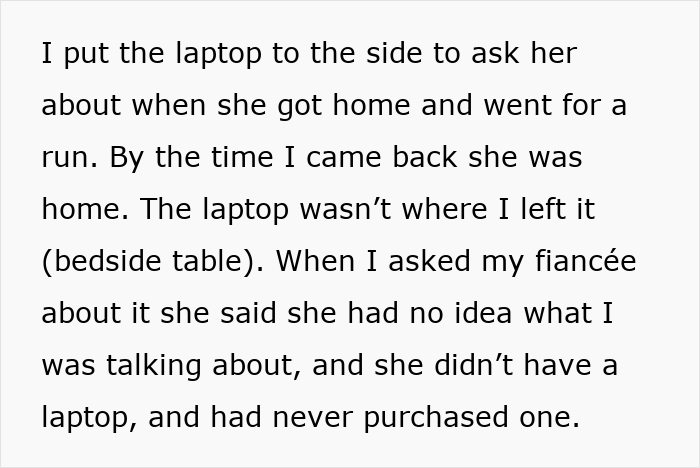

Image credits: Timur Weber / Pexels (not the actual photo)
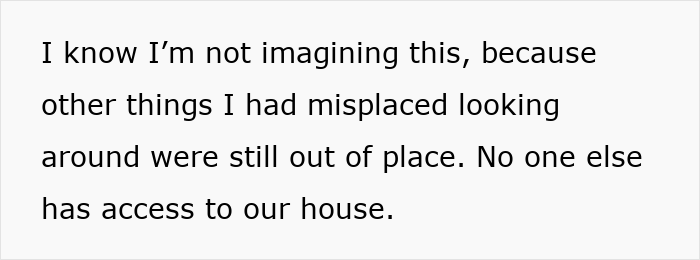
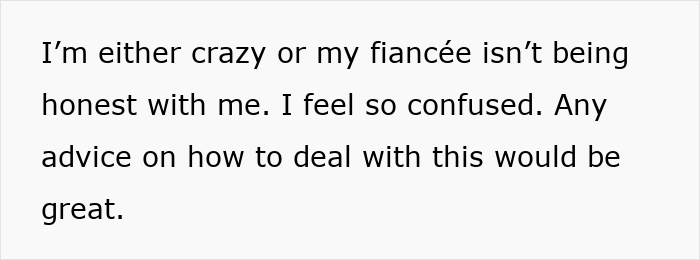
Image credits: u/throwRAconfuseda
Trust is much more than just staying faithful to your partner
At its core, trust means knowing you can rely on someone to keep their word. It is the solid foundation that makes cooperation possible in every area of life.
It is essential not only for romantic partners but also for close friends, strangers, and society as a whole.
A study published in the Journal of Neuroscience found that humans are hardwired to trust each other. When scientists looked closely at what happens inside our heads, they found that trusting a friend instantly lights up the same brain areas linked to joy and decision-making.
Another study found that when trust is broken, it triggers immediate activity in the amygdala and anterior insula — the brain’s threat and pain centers. This shift releases stress hormones like cortisol and instantly puts the brain on high alert. It treats broken trust as a physical threat to survival.
“Trust is everything. Without it, you don’t have a relationship. You can have love, but you won’t feel safe. And without safety, passion starts to die. When trust is broken, whether through betrayal, secrecy, conflict or even just emotional withdrawal, it leaves a wound that takes time to heal,” says Shan Merchant, a therapist and relationship coach.
The brain’s severe threat response to broken trust explains why finding a secret, high-ticket item can instantly set off alarm bells. It isn’t just about an expensive device — it feels like a breach of shared goals.
In fact, keeping money secrets can damage a relationship just as deeply as physical betrayal.
A study by Bankrate found that 43% of adults consider keeping major financial secrets or hidden purchases from a partner to be just as bad as physical cheating.
Rhonda Noordyk, a certified divorce financial analyst and CEO of The Women’s Financial Wellness Center, says this is due to the “trust factor.” She believes the moment someone discovers a financial secret, the foundation cracks. They naturally start second-guessing their partner’s honesty in every other corner of the relationship.
In relationships where couples are actively saving for a major milestone (like buying a house, as in the author’s story), unexpected luxury items can be seen as direct sabotage of their shared future.
Choosing to assume good intent can sometimes save a relationship
It isn’t about ignoring red flags or letting bad behavior slide. It simply means making trust your default setting instead of starting with suspicion.
Interestingly, our brains are wired for rapid threat detection. It is a crucial survival trait from an evolutionary standpoint. In modern relationships, however, this hyper-vigilance often backfires. A partner’s sharp tone isn’t a life-threatening predator, yet our nervous system frequently reacts as if it were.
Similarly, a single unexplained laptop isn’t always proof of a secret double life or infidelity.
When you leap to extreme conclusions, you trigger what psychologists call confirmation bias. Research on marital conflict shows that distressed partners are more likely to interpret ambiguous or innocent mistakes as intentional or blameworthy. These negative attributions can trigger cycles of criticism and defensiveness. It can also make it harder for couples to address the real issue together.
But direct communication can break this destructive cycle.
Researchers studying conflict in close relationships found that how partners explain each other’s behavior to themselves — assuming good intent versus bad — shapes how conflicts play out.
“Trust is built when there’s a positive perspective — that, despite the flaws, disagreements, and differences, it’s a good relationship and that each partner is there for each other. Those fights about nothing won’t happen as often when partners can really open up about their needs, concerns, and dreams,” says Dr. John Gottman, an American psychologist and professor at the University of Washington.
Turning to strangers online can sometimes be surprisingly helpful, but not always in a straightforward way.
For instance, writing your thoughts down can clear your head, and hearing different perspectives might force you to think more clearly. Meanwhile, seeing the most absurd theories typed out in black and white might even help you realize just how ridiculous your worst fears really are.
But at the end of the day, strangers don’t live your life. It is always up to you to do your own research before letting the internet decide the fate of your relationship.
The man gave some more info in response to the comments
People in the comments section came up with a lot of wild theories
The man did some digging and came back with an update a week later
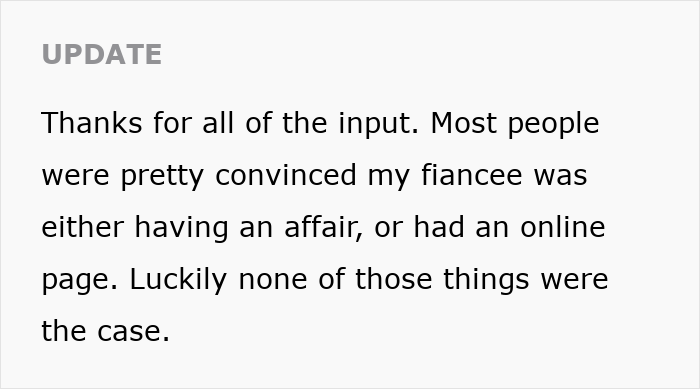
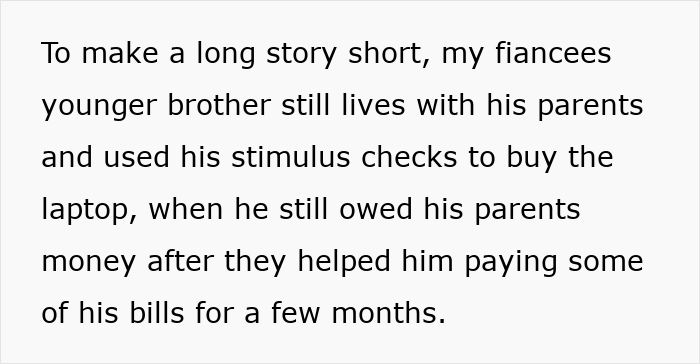

Image credits: Valery Tenevoy / Unsplash (not the actual photo)
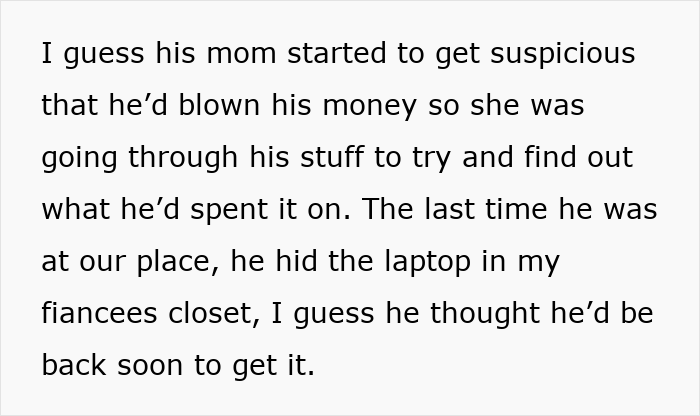
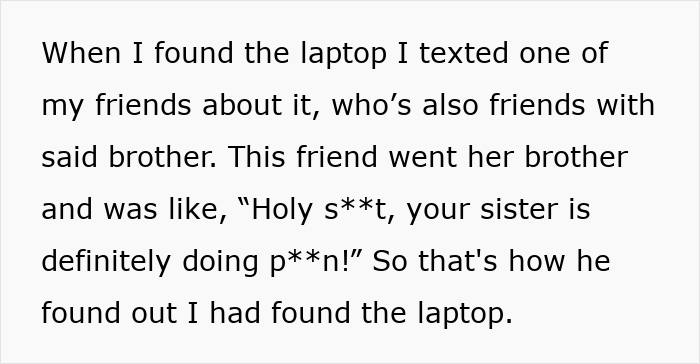
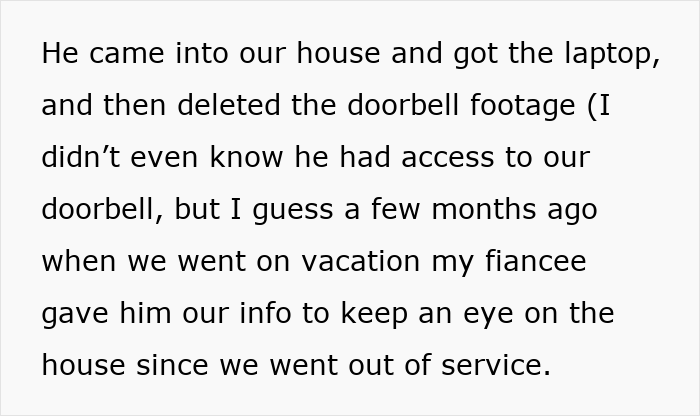
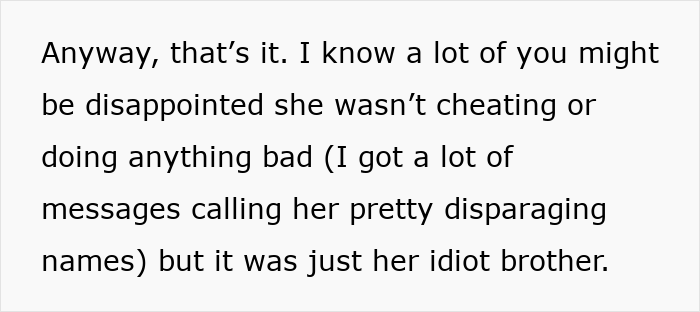

Image credits: August de Richelieu / Pexels (not the actual photo)
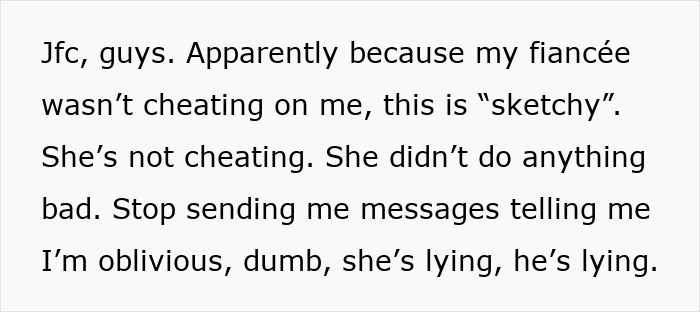
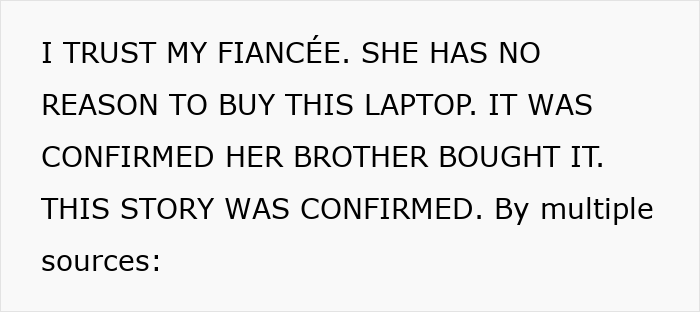
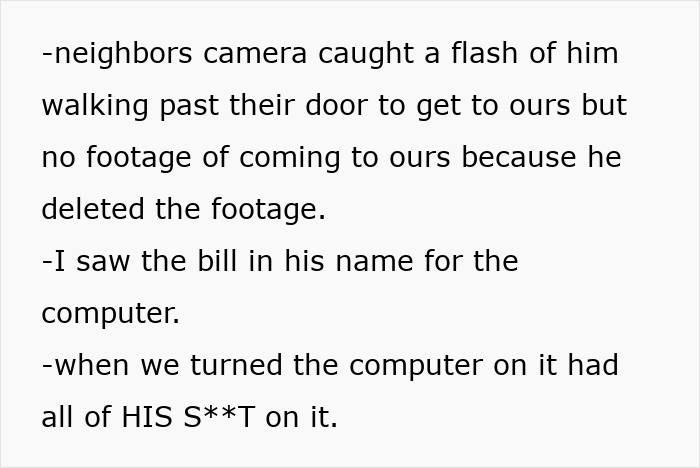
Image credits: u/throwRAconfuseda
Here’s how the internet reacted once the mystery was solved
Thanks! Check out the results:
Total votes ·
Newsletter
Subscribe to Access
Exclusive Polls

By entering your email and clicking Subscribe, you’re agreeing to let us send you customized marketing messages about us and our advertising partners. You are also agreeing to our Privacy Policy.
Thank you! You’ve successfully subscribed to newsletters!