This story appeared in Today, Explained, a daily newsletter that helps you understand the most compelling news and stories of the day. Subscribe here.
We always like a bit of good democracy news — such news being in overall short supply — and acting Attorney General Todd Blanche appeared to deliver some last night.
Blanche is currently jockeying for the permanent AG gig, which would put him in charge of the Justice Department. But his confirmation process stalled over bipartisan objections to President Donald Trump’s “anti-weaponization fund,” a $1.8 billion reparation program for people who claimed the government had wronged them.
On Sunday, in acknowledgement of those objections, Blanche confirmed in writing that the Justice Department had rescinded the fund and had no plans to revive it. It’s a rare reminder that the Senate’s confirmation power can still constrain the White House, even if many Republican lawmakers would rather not rock the boat. And the presidential boat was very much rocked by the dustup over Blanche’s confirmation.
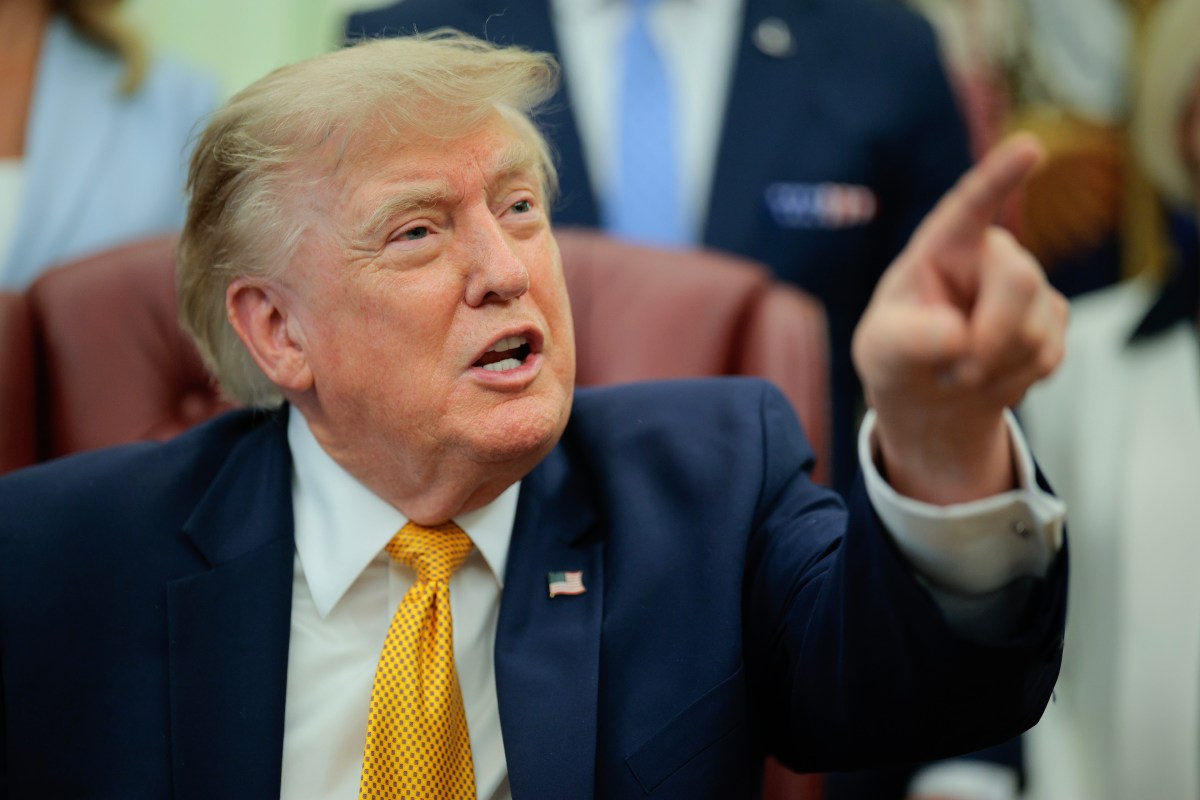
In a post on Saturday, Trump insisted that he’d get some version of the fund even over senators’ objections. And on Monday, he told reporters that he didn’t sign off on the rescission. Notably, the two Republicans who forced that surrender — North Carolina’s Thom Tillis and Texas’s John Cornyn — will both depart the Senate in early 2027.
All the president’s slush funds
The anti-weaponization fund is just the latest of Trump’s attempts to siphon federal money into an account that he or his allies control. In fact, the quest to secure such a slush fund is a defining feature of his presidency — and several of his previous, less egregious attempts have been more successful. Those include:
“The long-term risk is not just that Trump might be doing something illegal,” Tad DeHaven, a policy analyst with the Cato Institute, wrote for Vox earlier this year. “The long-term risk is that his presidency is normalizing treating the receipt and disbursement of money as instruments of personal power.”
➨ Happiness is overrated. In a new book, the author Ian Bogost argues we should instead pursue sensory gratification: the simple and immediate pleasure found in physical experiences, whether changing gears in a stick-shift car or holding a warm mug in your hands.