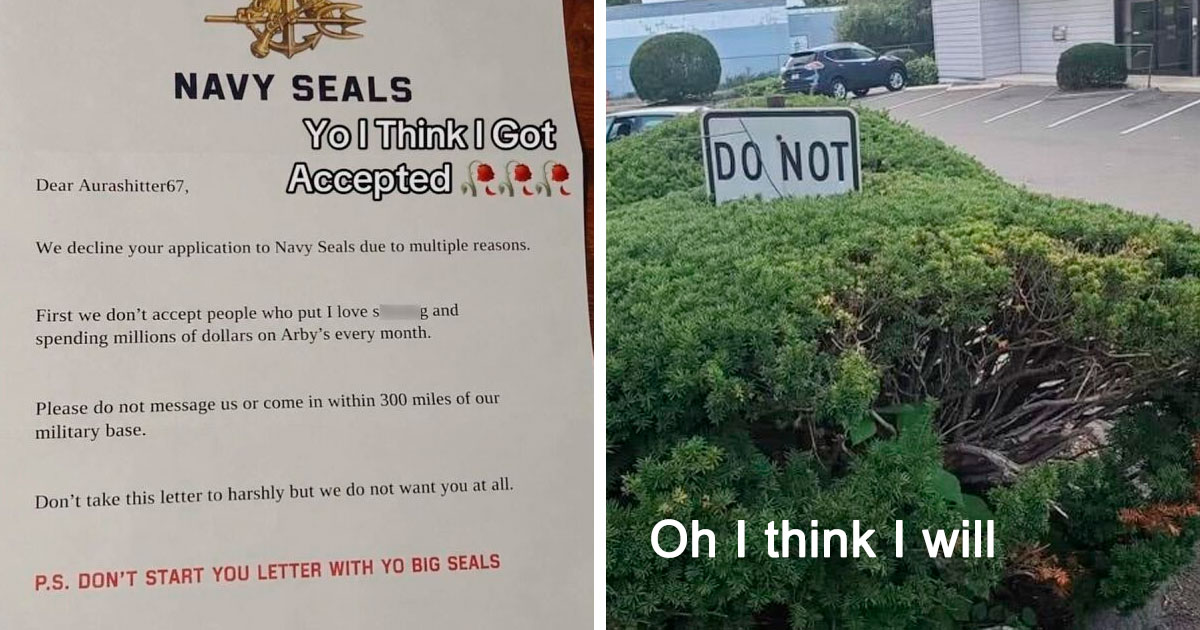
Meme taste is oddly personal. Some people want a clean wholesome joke that makes them smile for two seconds before they scroll on. Others want something that looks like it crawled out of a fever dream, a rat driving a car or a toilet dancing to no discernible beat, and they want to laugh at the sheer nonsense of it. Neither reaction is wrong. It just comes down to how each person’s brain processes a joke, and psychologists have spent a surprising amount of energy figuring out why.
One of the more popular explanations is the incongruity theory of humor, the idea that we laugh when something breaks the pattern we expected. A meme that sets up one thing and delivers something completely unrelated forces the brain to scramble for meaning, and that little jolt of confusion resolving into oh that is absurd is where the laugh comes from.